

How Is PGDM in FinTech Creating New Opportunities in the Digital Economy?
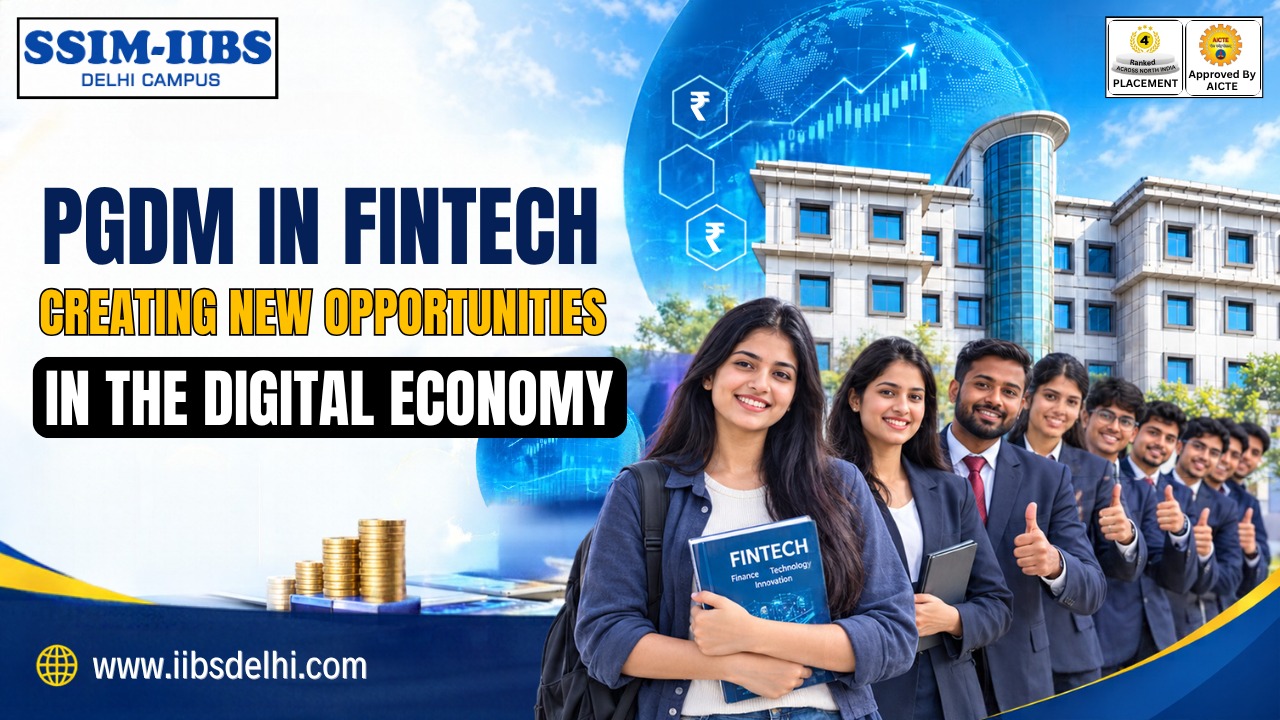
The digital economy is transforming the financial sector through digital banking, artificial intelligence, blockchain, financial analytics, and online payment systems. From UPI transactions to AI-powered financial services, technology is changing how businesses manage money, assess risks, and serve customers. This shift has increased the demand for professionals who understand both financial management and emerging technologies. A PGDM in FinTech offers a management-focused learning pathway for students interested in exploring career opportunities in this evolving industry.
FinTech, or Financial Technology, combines financial services with digital innovation to improve efficiency, security, and decision-making. Banks, insurance companies, fintech startups, investment firms, and technology companies are adopting digital solutions to meet changing customer needs. A FinTech-focused management education introduces students to areas such as digital banking, financial analytics, blockchain applications, artificial intelligence in finance, risk management, digital payments, and financial regulations. These concepts help students understand how technology is reshaping financial operations and business models.
At SSIM-IIBS, an AICTE-approved management institute, the learning approach focuses on connecting management concepts with practical business applications. Through case studies, live projects, presentations, simulations, assignments, internships, and industry interactions, students develop an understanding of real business challenges. This practical approach helps them connect financial concepts with technology-driven business decisions and develop analytical thinking, problem-solving, teamwork, and communication skills.
Technology and data analysis are important in modern financial management. Exposure to tools such as Advanced Excel and Power BI can help students organize financial information, analyze data, and present business insights. Learning how organizations use digital platforms, analytics, and financial information also helps students understand how businesses improve processes and make informed decisions. Interactions with faculty, management professionals, and industry experts can provide additional insights into changing industry requirements and emerging business opportunities.
The growing FinTech sector offers career opportunities across banking, financial services, insurance, consulting, investment management, and technology companies. Depending on their qualifications and skills, graduates can explore roles such as Financial Analyst, FinTech Business Analyst, Digital Banking Specialist, Risk Analyst, Product Analyst, Payments Operations Specialist, and Financial Technology Consultant. These professionals may contribute to financial analysis, digital product development, risk monitoring, payment operations, and technology-led business transformation.
At SSIM-IIBS, career development support focuses on helping students prepare for professional opportunities through resume development, career guidance, aptitude preparation, communication and soft-skills training, mock interviews, and placement assistance. Practical assignments and internship exposure can further help students understand workplace expectations and apply their knowledge in business environments.
As financial services continue to adopt automation, digital payments, and data-driven solutions, professionals who can connect business knowledge with technology awareness may find opportunities across multiple sectors. Choosing the right management program, developing analytical skills, and gaining practical exposure can help students prepare for this changing landscape. A future-focused approach to management education can provide a strong foundation for students who want to build careers in the evolving digital economy.
Leave a Reply
Your email address will not be published. Required fields are marked *
0 Replies to "How Is PGDM in FinTech Creating New Opportunities in the Digital Economy?"